Kids bikes are measured by wheel size, not frame size. A bike that is too big is hard to control and unsafe. A bike that is too small is uncomfortable and soon outgrown. Use this chart and the simple stand-over test below.
Kids cycle size chart
| Age | Child's height | Wheel size |
|---|---|---|
| 2 – 4 years | 2'10" – 3'4" | 12 inch |
| 4 – 6 years | 3'4" – 3'10" | 16 inch |
| 7 – 12 years | 3'10" – 4'10" | 20 inch |
| 10 – 14 years | 4'6" – 5'2" | 24 inch |
Height matters more than age. If your child is between two sizes, choose the smaller one for a younger or less confident rider.
The stand-over test
Ask your child to stand over the bike with both feet flat on the ground. There should be a little gap between the child and the top tube. When sitting on the saddle, the tips of both feet should touch the ground. If not, lower the saddle or choose a smaller bike.
What to look for in a kids bike
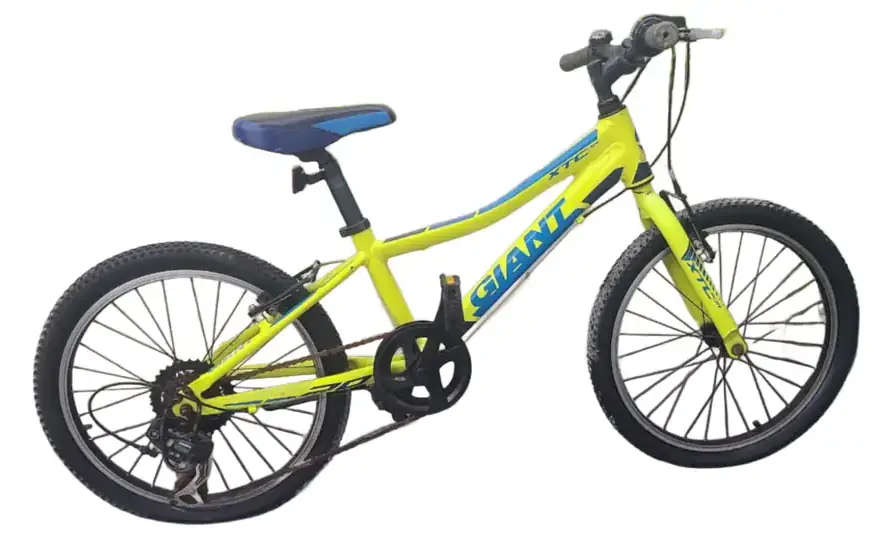
- Light frame. Aluminium kids bikes like the Giant XTC Jr 20 (Yellow) are much easier for a child to ride and lift than heavy steel cycles.
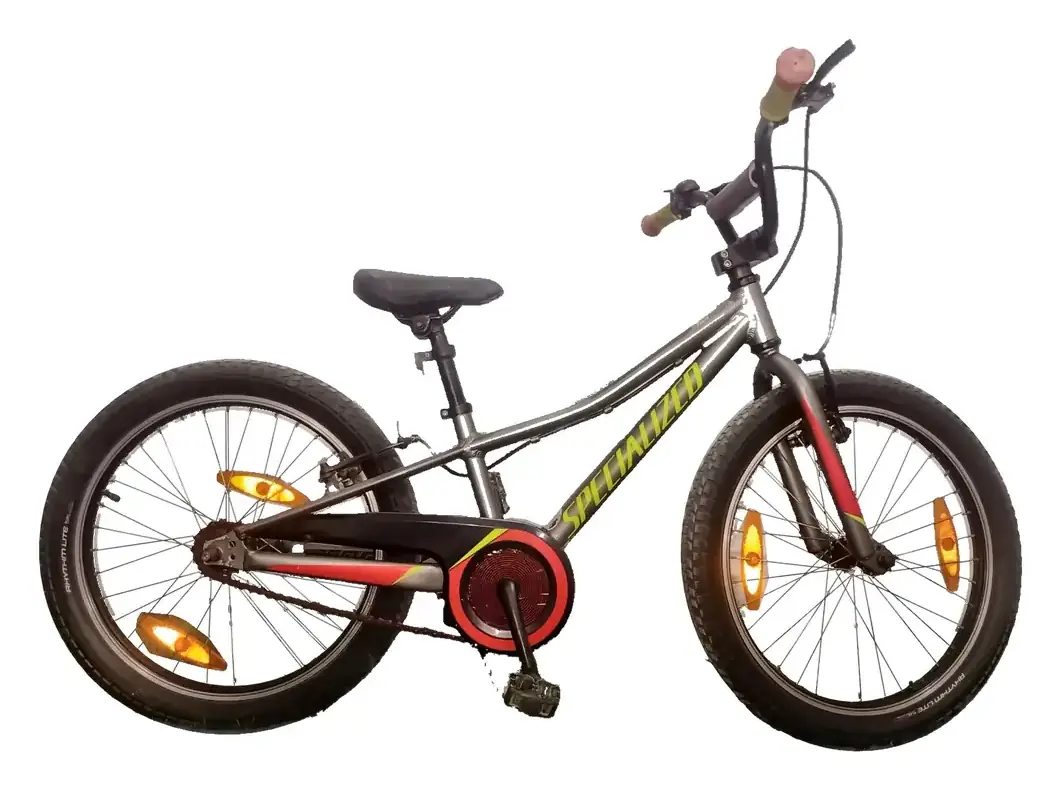
- Good brakes. V-brakes are easy for small hands. A coaster (pedal-back) brake, like on the Specialized Riprock Coaster 20, is great for younger riders.
- Chain cover. Keeps fingers and clothes away from the chain.
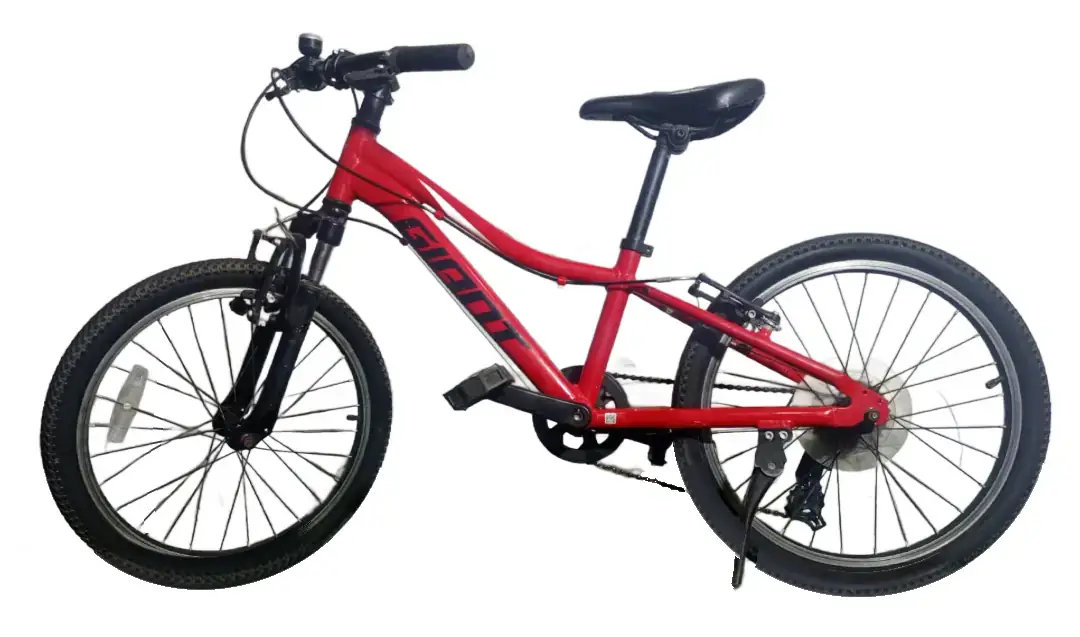
- Gears only when ready. Children around 9–12 can learn to use gears. The Giant XTC 20 (Red) has Shimano 7-speed gears.
- Branded quality. Branded kids bikes last for years and keep their resale value when your child moves up a size.
Safety tips
- Always use a helmet.
- Check brakes and tyre pressure every week.
- Teach basic road rules before riding on the street.
Browse our kids cycles (Rs 28,000 – Rs 38,000) or send your child's height on WhatsApp 0327 3986125 and we will suggest the right size.